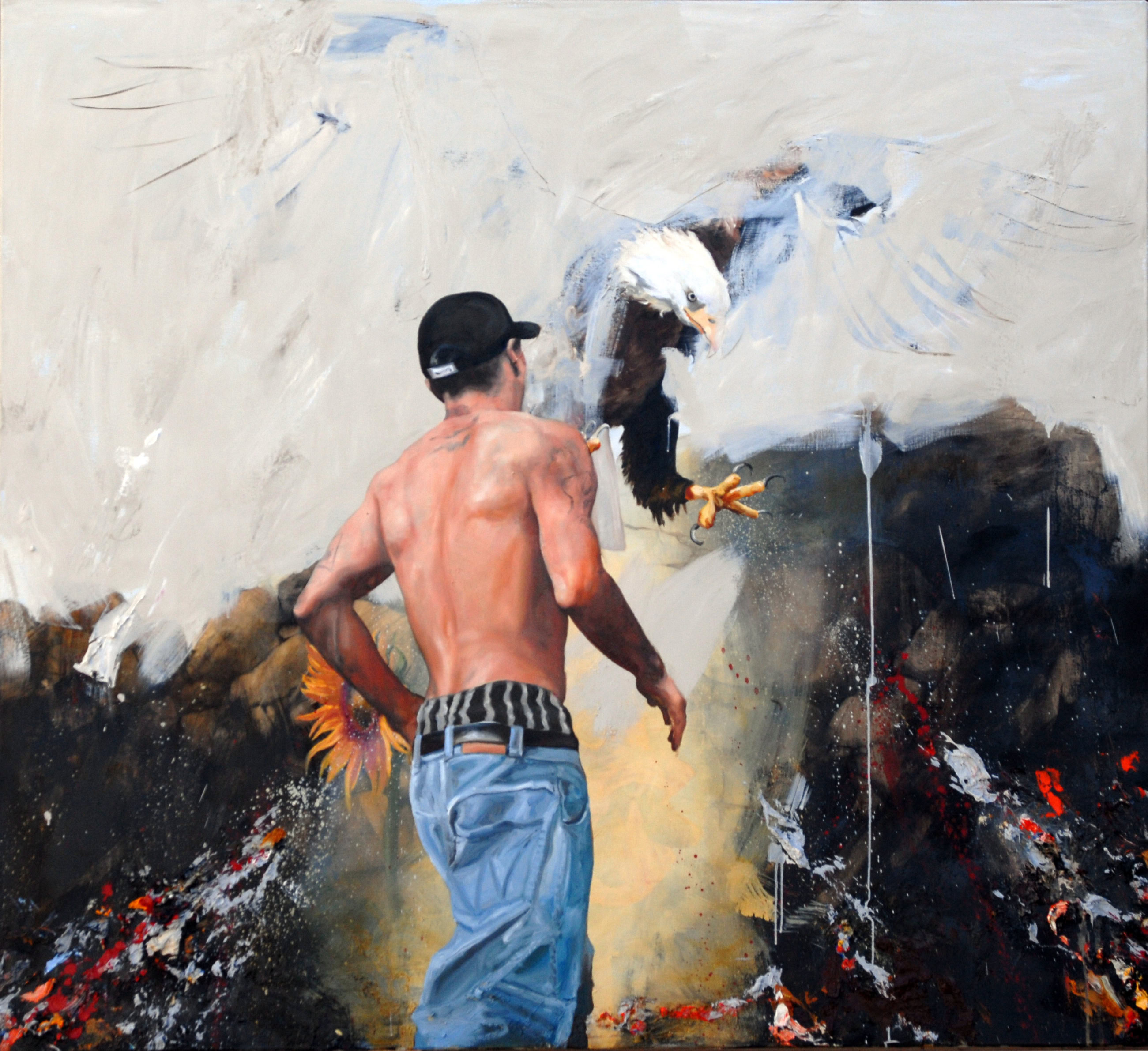
Prometheus Unbound 2026
Oil on canvas
150 x 160 cms
In Prometheus Unbound, Chris Stevens reimagines the ancient myth of Prometheus through a contemporary visual language that oscillates between figuration and abstraction. Rather than depicting a literal scene from Greek mythology, Stevens presents a psychologically charged encounter in which the myth is translated into a meditation on freedom, resistance, and the human condition.
The composition is dominated by the back view of a shirtless male figure advancing into an uncertain terrain. Above him, a bald eagle descends with outstretched talons, occupying a liminal space between apparition and physical presence. The relationship between the two figures remains unresolved. The viewer is denied narrative certainty and instead drawn into a suspended moment of confrontation, anticipation, or transformation.
The title provides the key to understanding the work. In Greek mythology, Prometheus is punished for stealing fire from the gods and giving it to humanity. Bound to a rock, he is subjected to the daily torment of an eagle feeding upon his liver, an image that has come to symbolise suffering in the pursuit of knowledge, freedom, and human progress. By invoking Prometheus Unbound the moment of liberation rather than punishment Stevens reverses the traditional narrative. The eagle is no longer simply an agent of divine retribution; it becomes a more ambiguous force, simultaneously threatening and transcendent.
This ambiguity is reinforced through the painting's formal structure. The eagle emerges from a field of pale, gestural marks that hover between image and erasure. The bird appears partially formed, as though materialising from memory or consciousness itself. Stevens deliberately avoids complete resolution, allowing passages of paint to remain open and provisional. This tension between presence and disappearance becomes a metaphor for liberation: freedom is not presented as a fixed state but as an ongoing process of becoming.
The human figure, rendered with convincing anatomical specificity, anchors the composition in lived experience. Seen from behind, he functions less as an individual portrait than as an archetypal protagonist. His exposed back suggests vulnerability, yet his forward movement implies determination and agency. The viewer occupies his position, sharing both his uncertainty and his resolve.
Stevens' handling of paint is central to the work's impact. The composition moves fluidly between highly controlled realism and expressive abstraction. Broad areas of scraped, washed, and reworked surface coexist with meticulously observed passages of flesh and feather. The visible drips, splatters, and erased marks reveal the history of the painting's construction, emphasising process over finish. Rather than illustrating a myth, Stevens allows the material language of paint itself to embody struggle, conflict, and transformation.
The restrained palette of whites, greys, blacks, and muted blues creates an atmosphere of suspension and introspection. Against this subdued field, flashes of orange, yellow, and crimson punctuate the surface like moments of revelation or rupture. These chromatic interruptions animate the lower register of the canvas, where the landscape dissolves into a volatile mixture of earth, ash, and pure painterly gesture. The environment appears simultaneously generative and destructive, echoing the dual nature of Prometheus' gift of fire.
What distinguishes Prometheus Unbound is its refusal of literalism. Stevens does not seek to illustrate mythology but to activate it as a living psychological and cultural framework. The painting explores the enduring relevance of Prometheus as a symbol of human aspiration, rebellion, creativity, and self-determination. The eagle becomes not merely an external adversary but a manifestation of the forces, social, political, psychological, or existential that challenge individual freedom.
Ultimately, the work succeeds because it remains open to multiple interpretations. It is at once a contemporary mythological painting, a study of human vulnerability, and an exploration of the expressive possibilities of paint. In the charged space between man and eagle, Stevens creates an image of liberation that is neither triumphant nor complete, but profoundly human. The result is a work of considerable emotional and intellectual resonance, one that transforms an ancient narrative into a compelling reflection on freedom and the ongoing struggle to attain it.
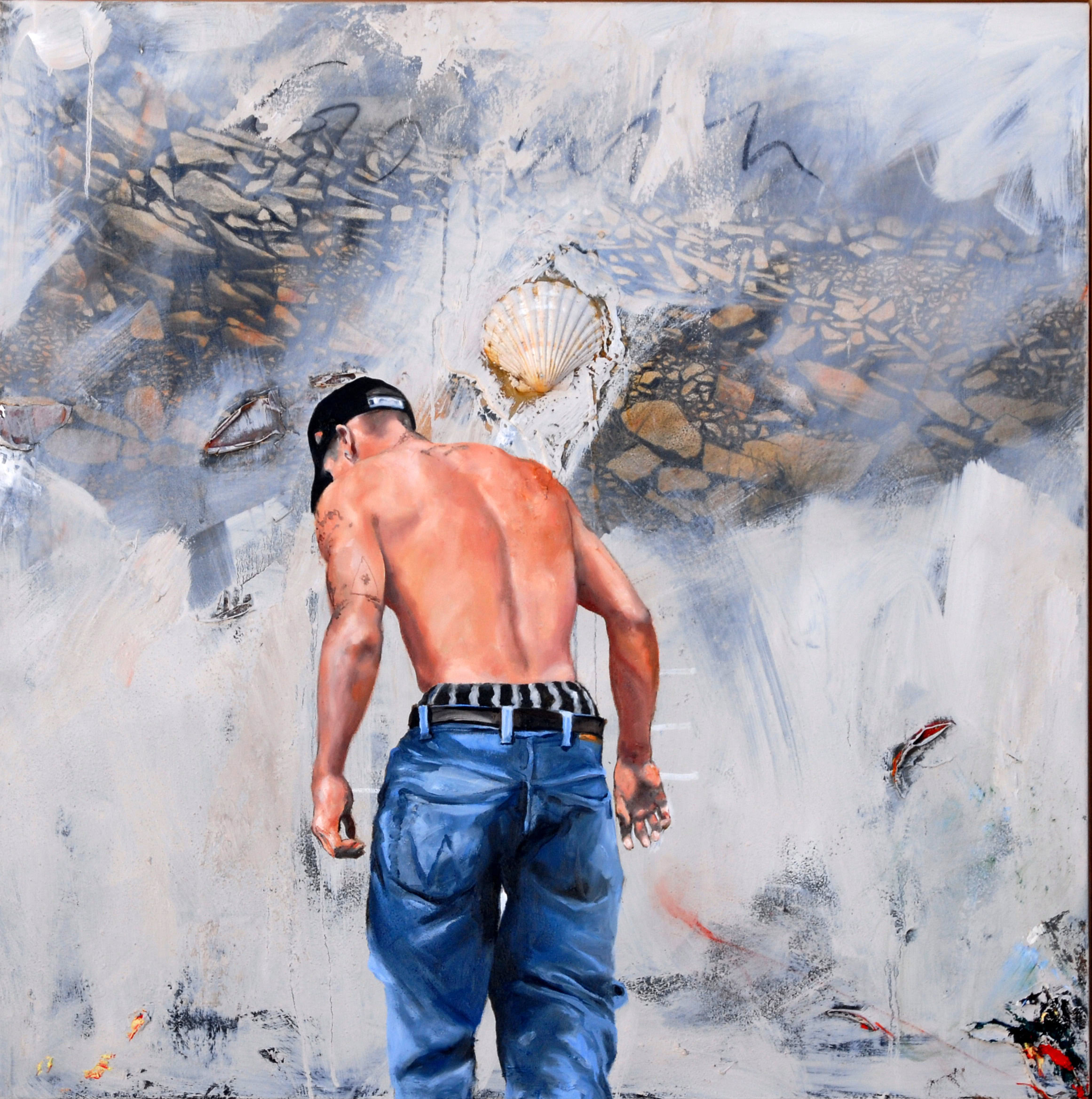
Go With Shell 2026
Oil & shell on canvas
100 x 100 cms
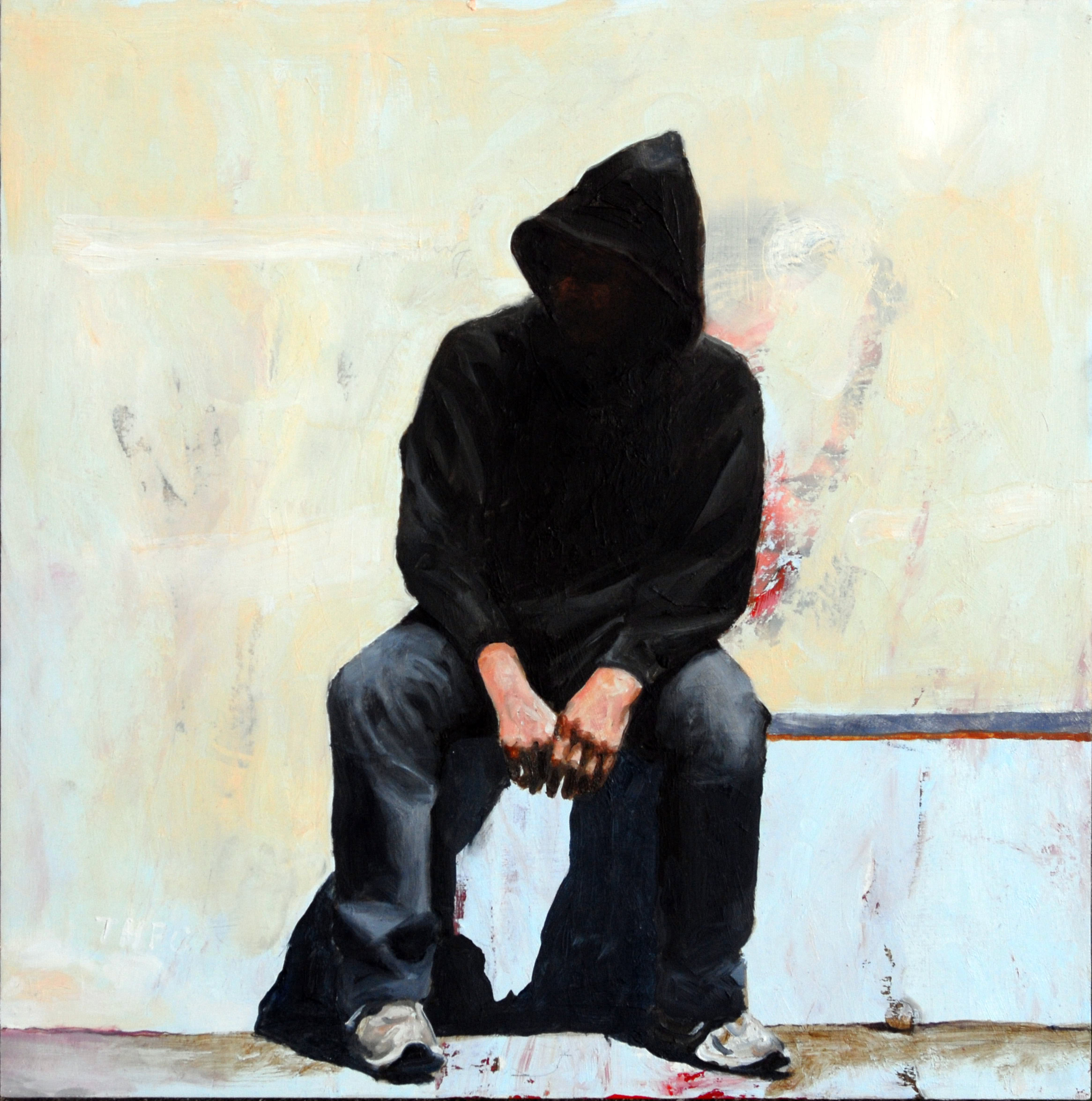
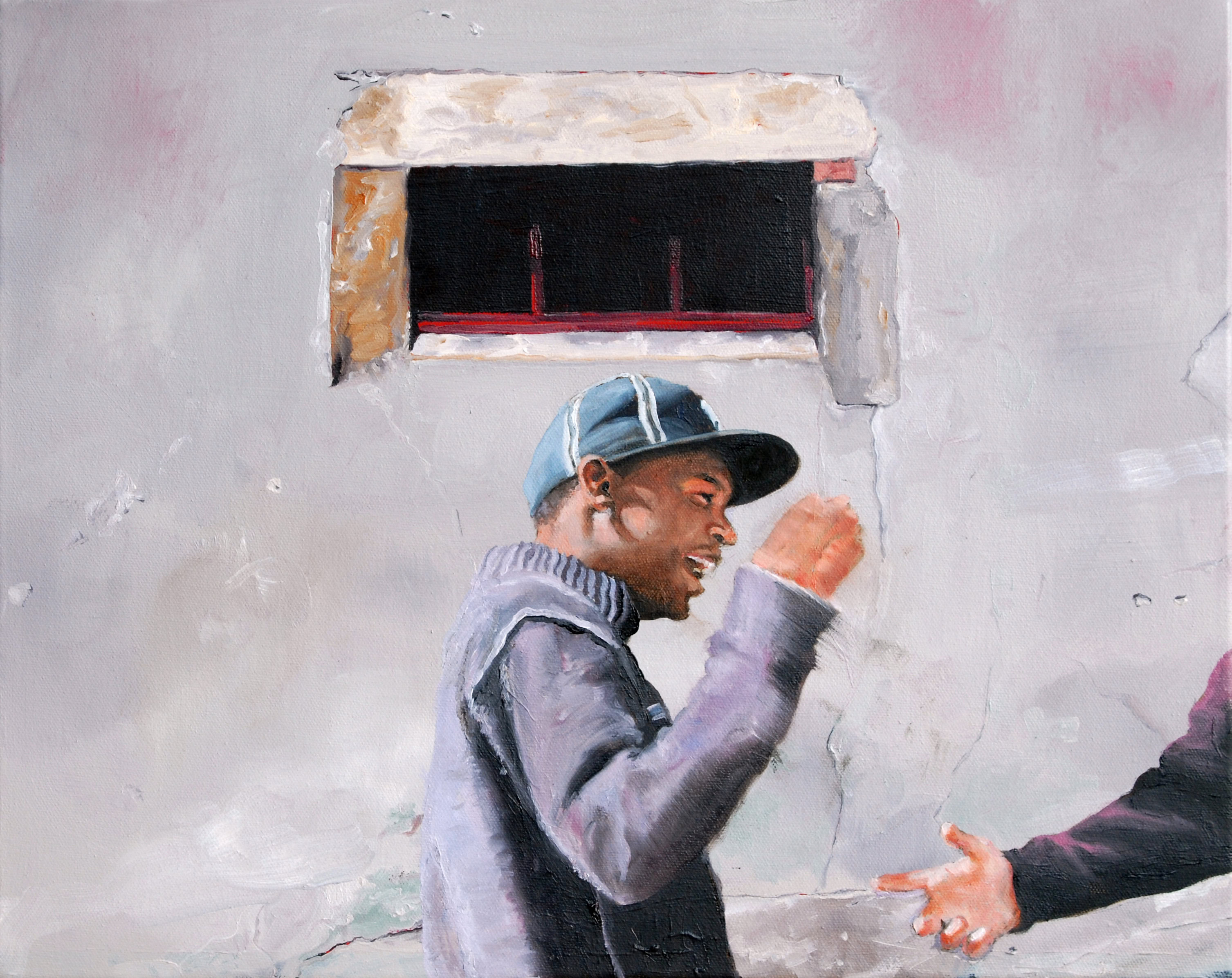
Brief Encounter 2026
Oil on canvas
40 x 50 cms
Superman 2026
Oil on panel
40 x 40 cms
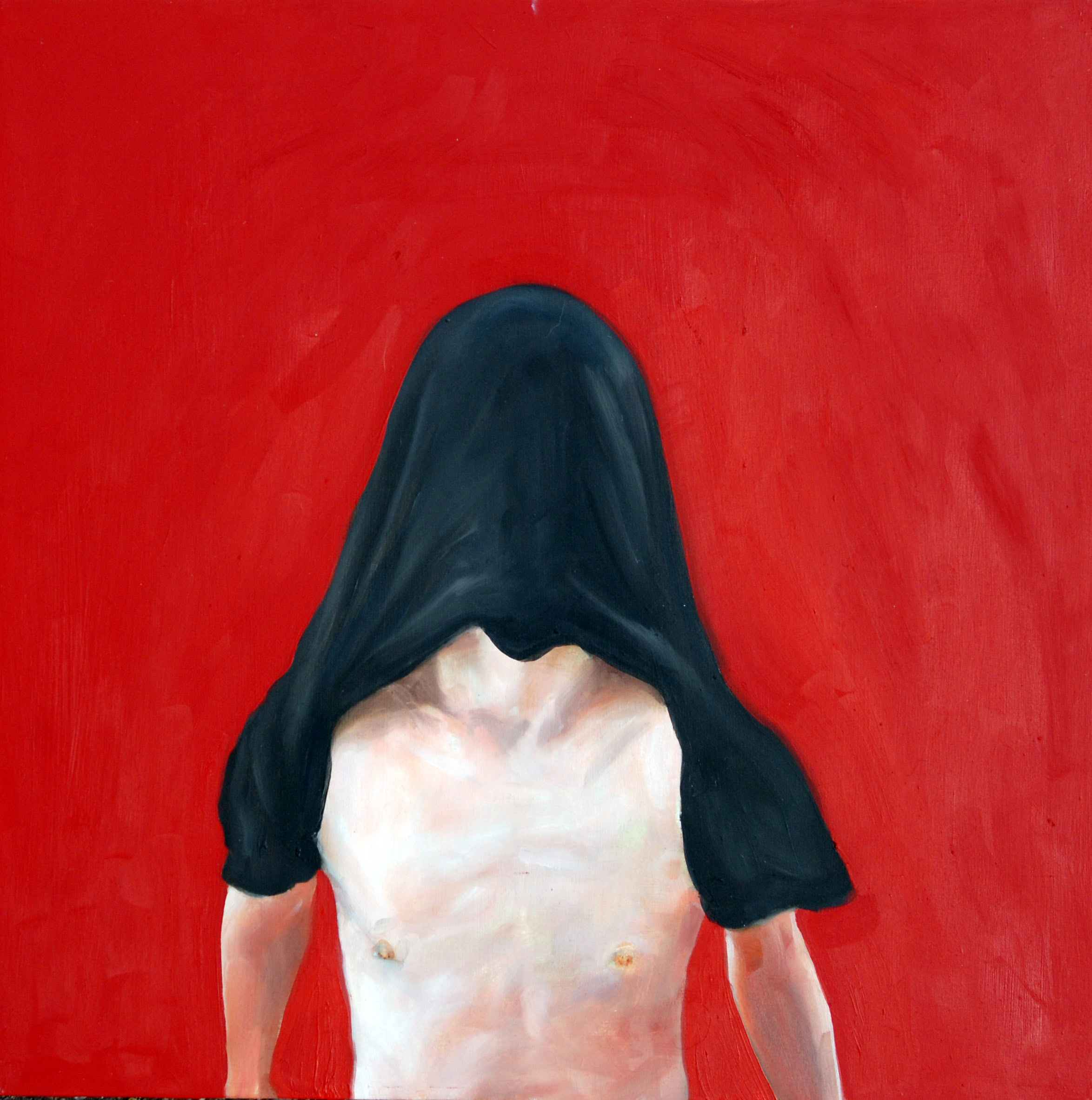
Brendan Now 2026
Oil on panel
40 x 40 cms
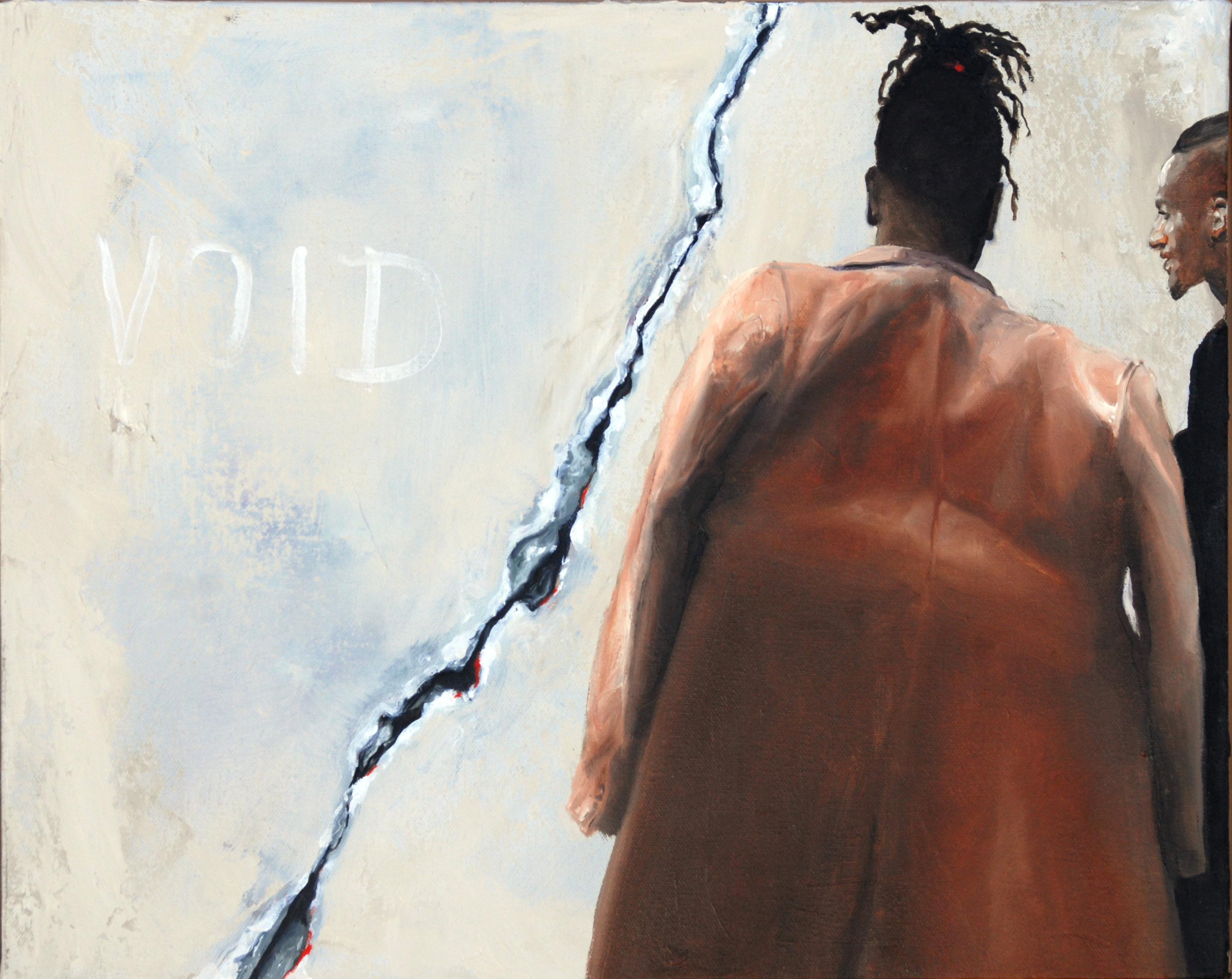
Touching the Void 2026
Oil on canvas
40 x 50 cms
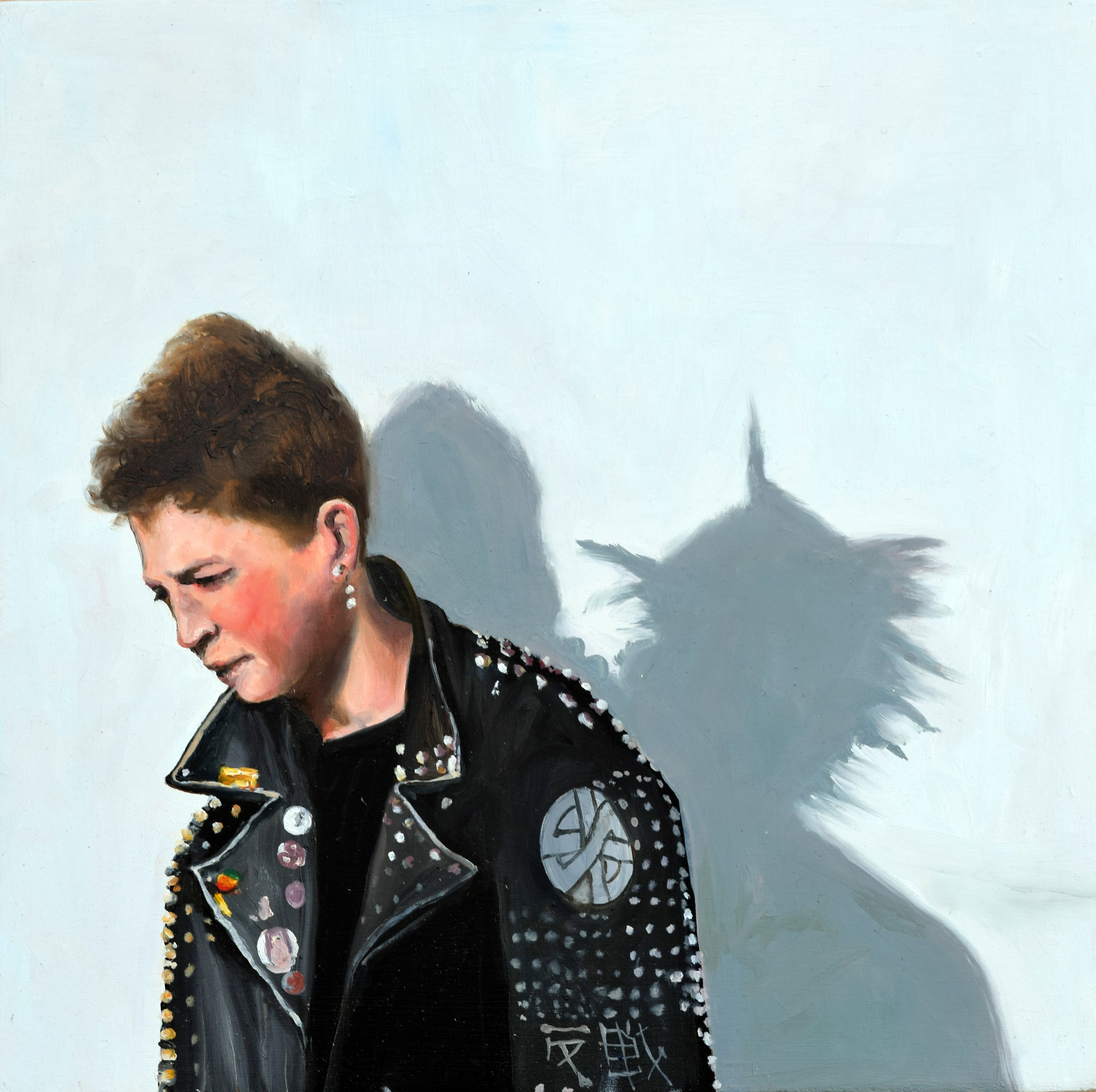
Fergus 2026
Oil on panel
40 x 40 cms
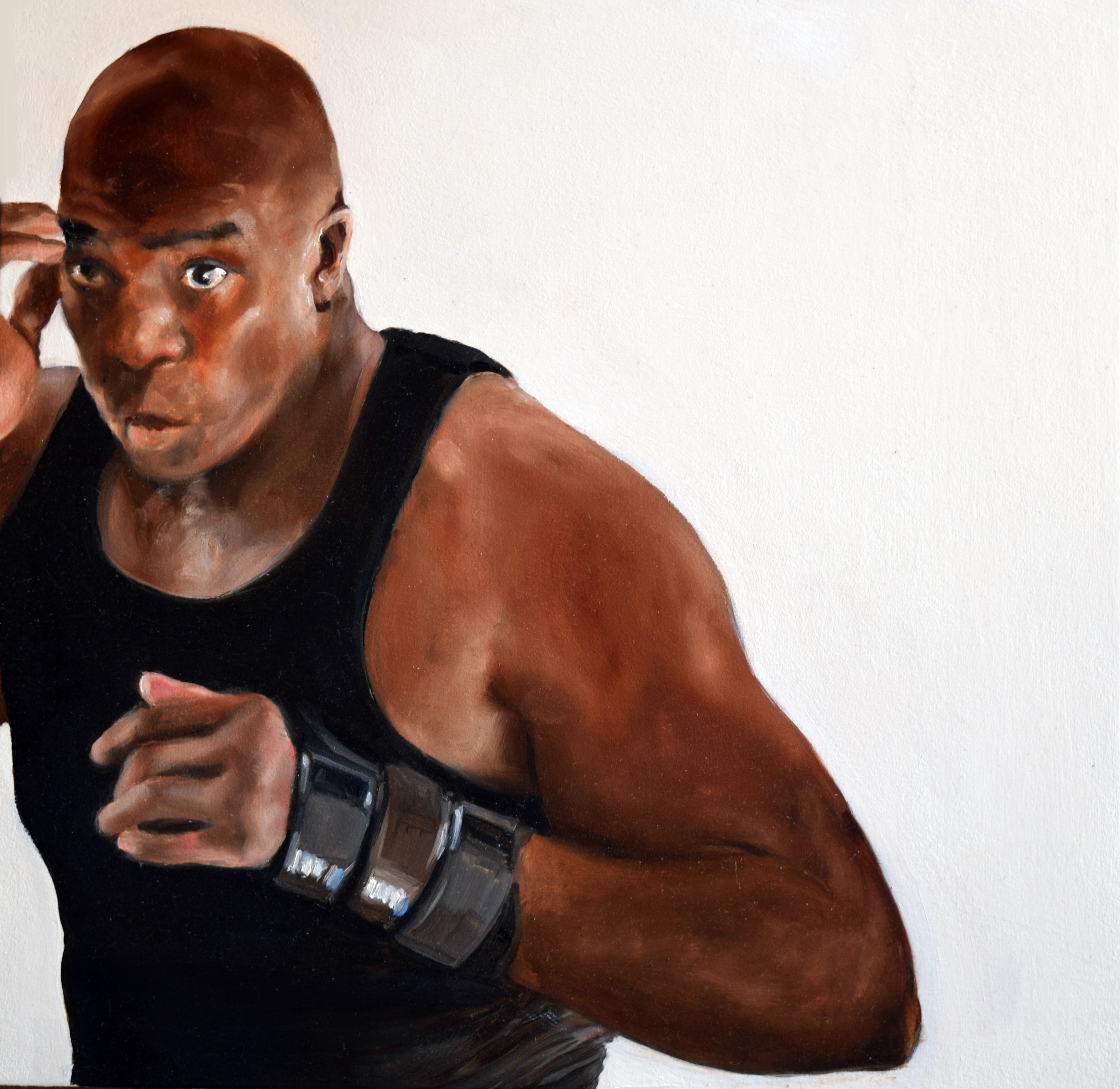
Walpole Spar 1 2025
Oil on canvas
40 x 40 cms
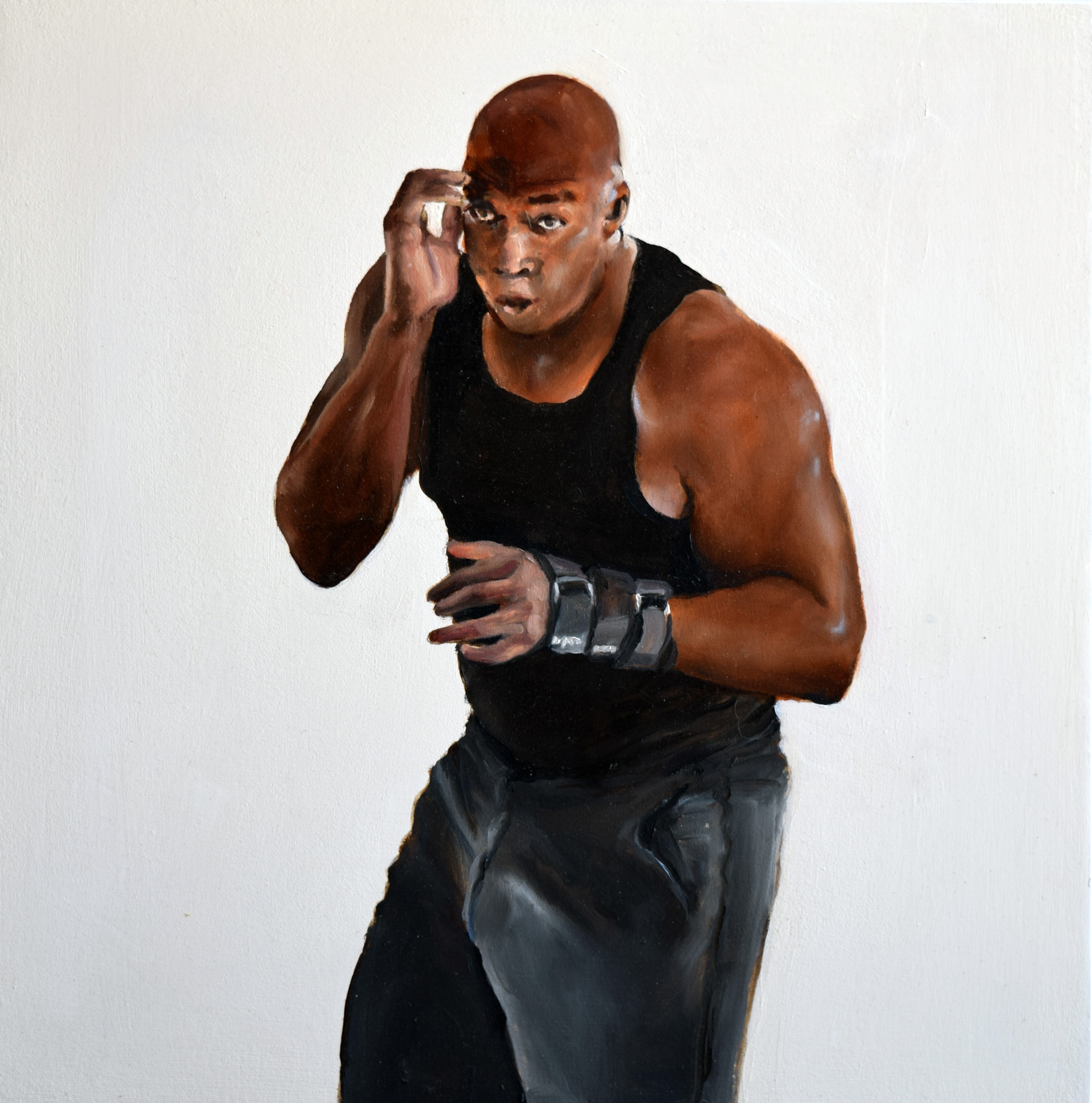
Rupert & Danny 2026
Oil on panel
40 x 40 cms
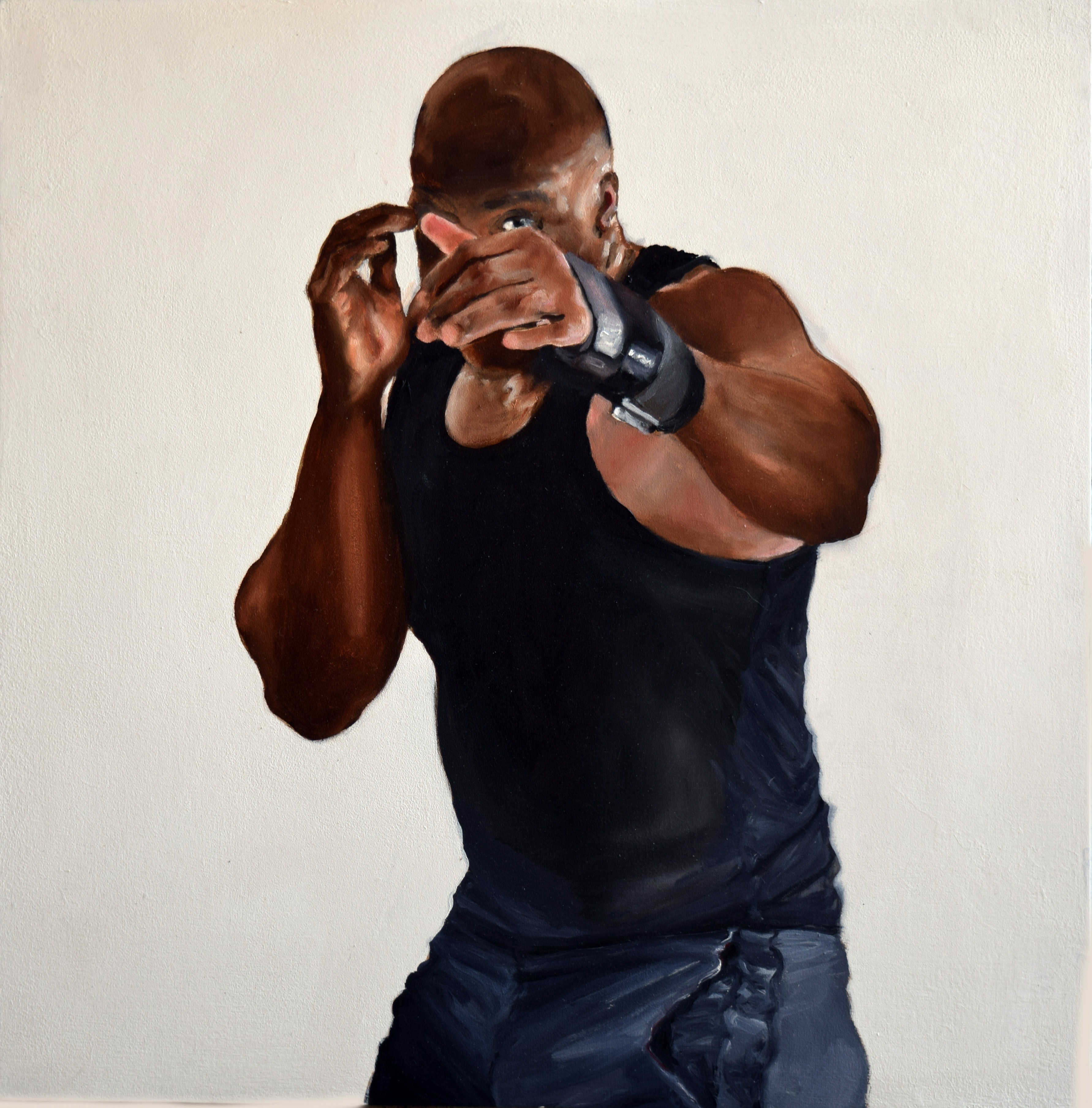
Walpole Spar 2 2025
Oil on canvas
40 x 40 cms
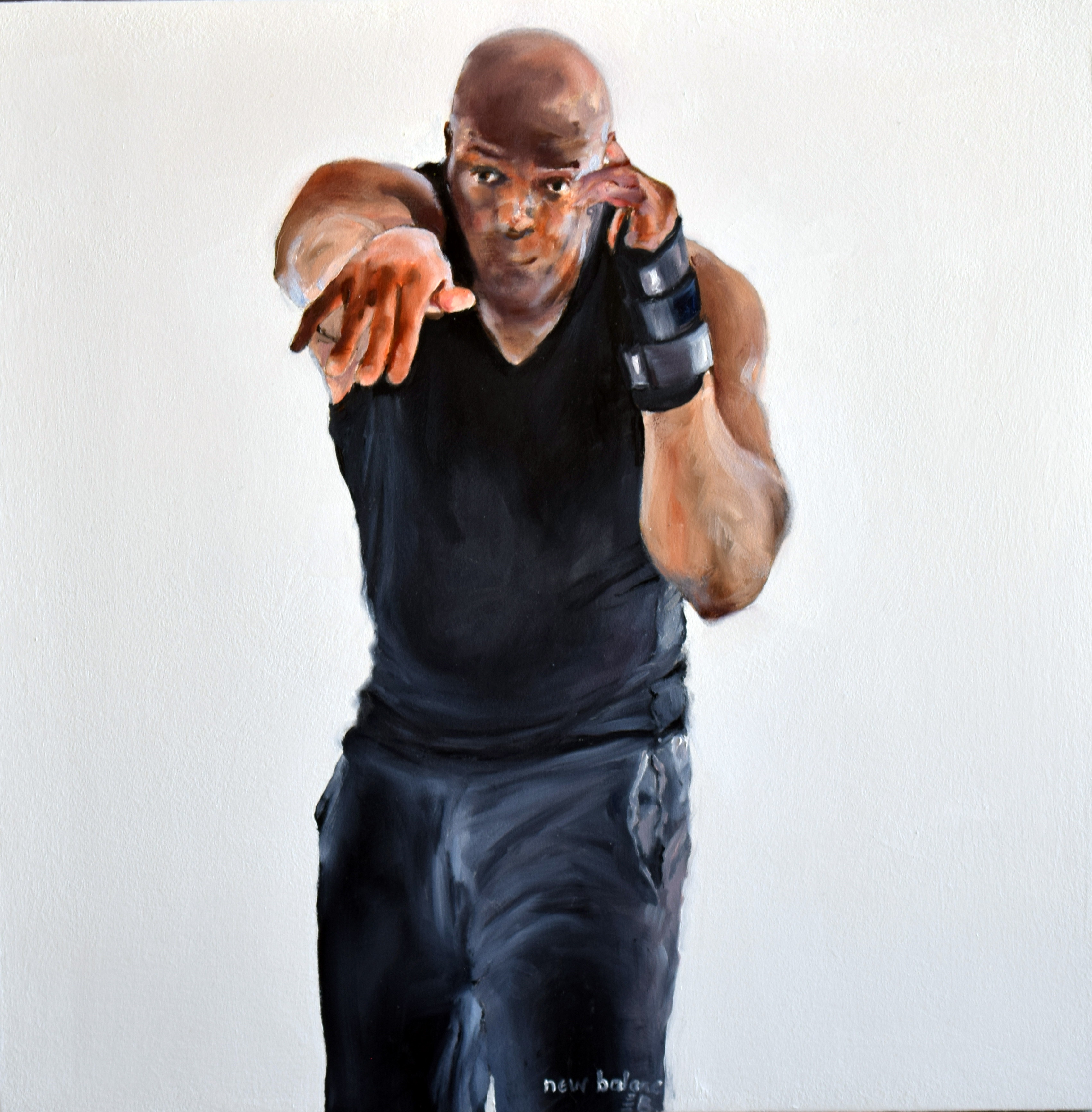
Walpole Spar 3 2025
Oil on canvas
40 x 40 cms
Walpole Spar 4 2025
Oil on canvas
40 x 40 cms
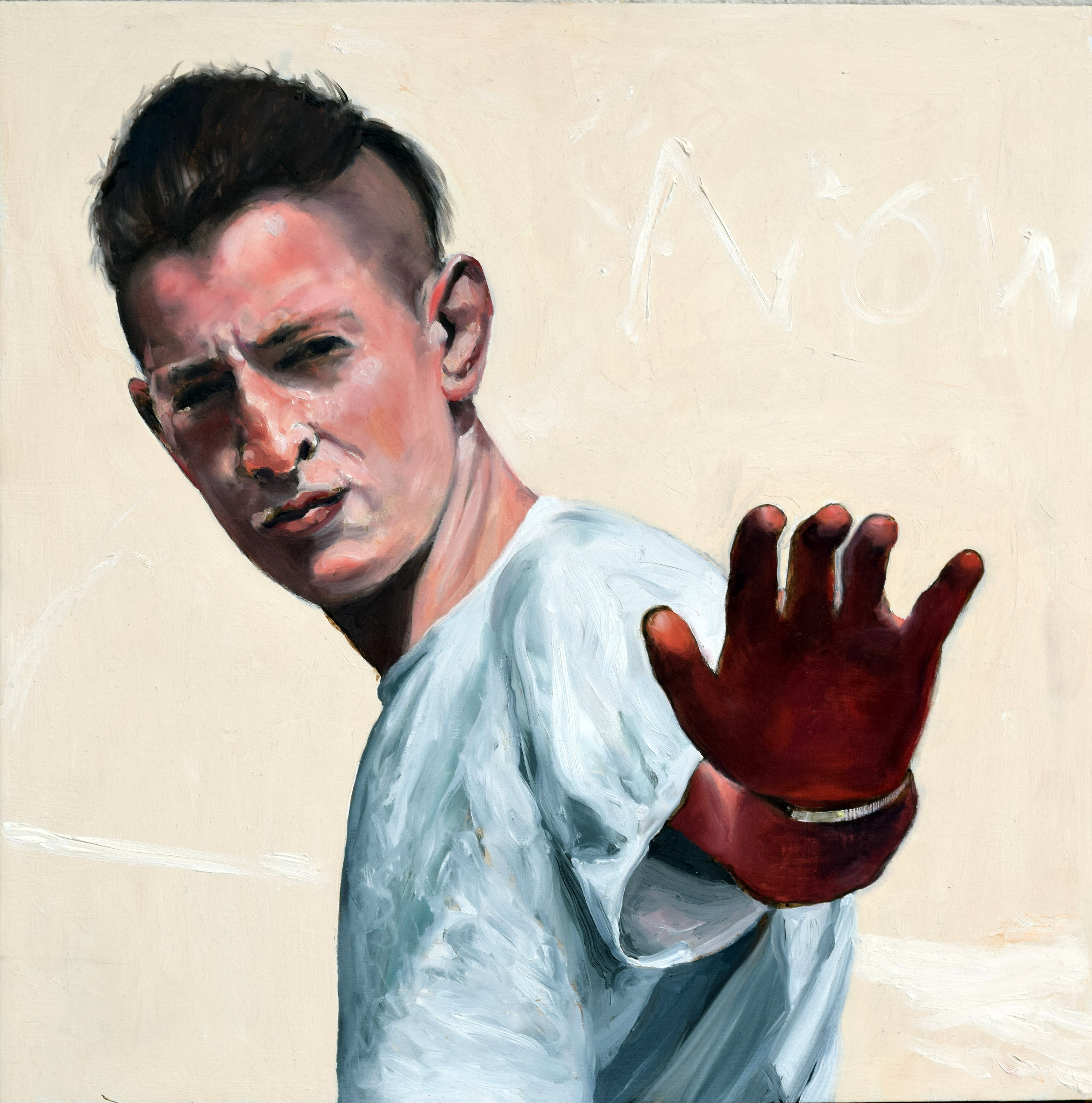
These dynamic portraits are four works inspired by a spontaneous encounter in Walpole Park, London. Capturing the intensity and physicality of a moment mid-spar, Chris Stevens uses close cropping and bold realism to highlight the subject's strength, focus, and humanity. The stark white background heightens the immediacy of the figure, isolating gesture and expression. Through this series, Stevens continues his exploration of contemporary portraiture rooted in everyday life, chance meetings, and the quiet dignity of his sitters.